
Who This Window Contractor Is Not For – Window Replacements in Novato
Why This Page Starts With Exclusion
Not every window contractor is designed for every homeowner.
That is not a flaw.
It is a boundary.
Window replacement is a long-term decision. It locks responsibility behind walls, trim, and finishes. When expectations are misaligned, problems surface later—when options are limited and costs rise.
Who This Window Contractor Is Not For – Window Replacements in Novato exists to prevent that mismatch before work begins.
This Is Not Built for Everyone on Purpose
Mass-appeal window contractors optimize for volume.
They need to say yes often.
Yes to rushed timelines.
Yes to unclear scope.
Yes to decisions made under pressure.
That model works for quick turnover. It fails quietly on projects where accountability matters more than speed.
This page explains who should not proceed under an accountability-driven window system.
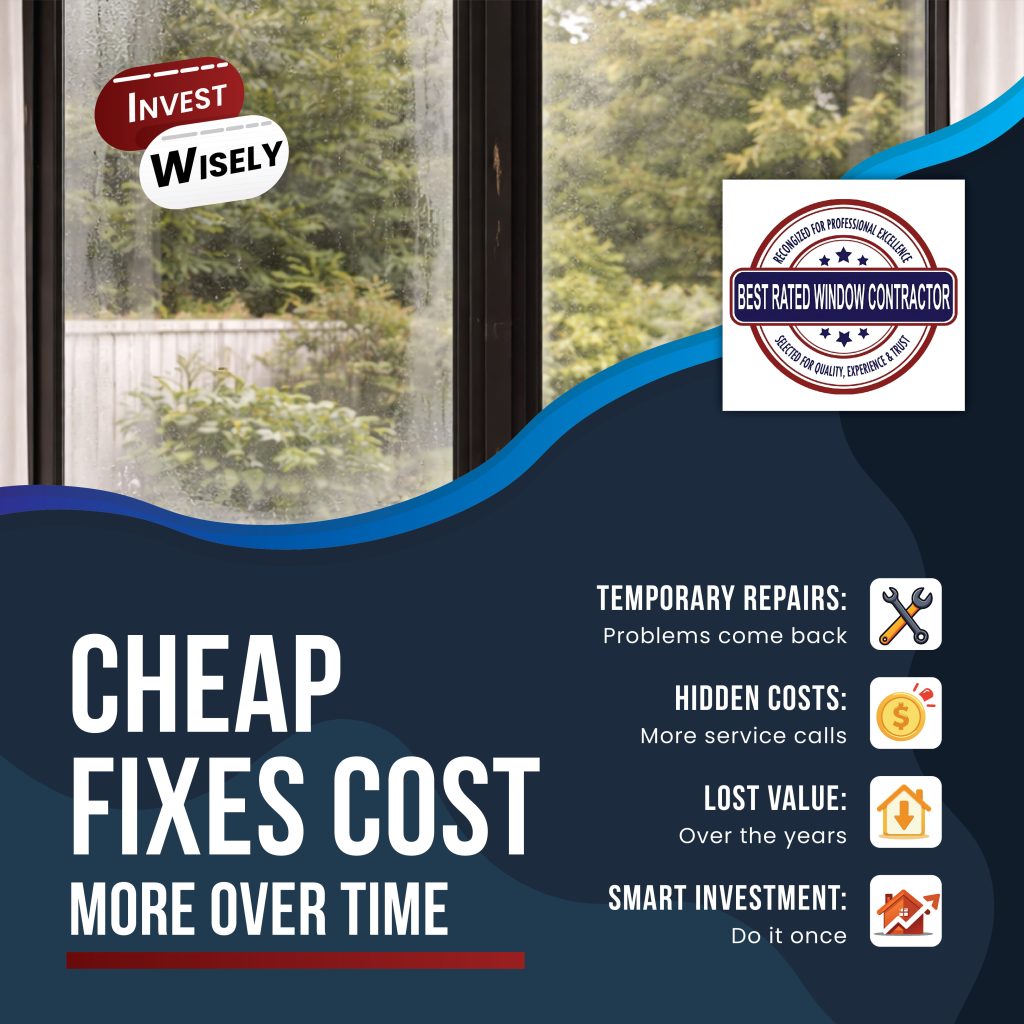
Not a Fit for Price-First Decisions
Price-only decisions compress judgment.
When cost is the primary filter, important questions get skipped:
- How will openings be prepared?
- What happens if framing is irregular?
- Who owns performance after installation?
Lower price often means fewer controls. Fewer controls increase long-term risk. That tradeoff is rarely disclosed clearly.
If the goal is the lowest possible number, this is not the right approach.
Not a Fit for Shortcut Expectations
Some homeowners want disruption minimized at all costs.
That instinct is understandable.
However, window replacements demand:
- Preparation
- Verification
- Documentation
Skipping steps may feel efficient. It often creates deferred problems like drafts, moisture intrusion, or movement over time.
This framework prioritizes durability over convenience.
Accountability Requires Participation
High-accountability window projects are cooperative.
That means homeowners are expected to:
- Make clear decisions when options are presented
- Respect defined scope boundaries
- Allow time for proper preparation and installation
If the expectation is to hand off responsibility entirely and disengage, alignment breaks down. Accountability cannot be one-sided.
Not Designed for Last-Minute Scope Negotiation
Scope integrity protects outcomes.
This approach is not suited for:
- Renegotiating scope after work begins
- Adding changes without documentation
- Pressuring installers to “just make it work”
Window systems are unforgiving. Small compromises create large consequences later.
Defined scope is not rigidity. It is protection.

Where Misalignment Turns Into Conflict
Most disputes don’t start with bad intent.
They start with different assumptions.
Common friction points include:
- “I thought that was included.”
- “Why does this cost more now?”
- “That wasn’t explained.”
These moments are preventable. They occur when accountability systems meet urgency-driven expectations.
This page exists to prevent that collision.
Not a Fit for Speed-Above-All Projects
Fast installations feel productive.
They are often incomplete.
Rushed work tends to skip:
- Detailed opening assessment
- Alignment verification
- Installation documentation
Speed without discipline creates delayed failures. Accountability slows the process just enough to protect long-term performance.
Why Experience Shows Up as Boundaries
Experience does not look flexible all the time.
It looks selective.
Seasoned window professionals know:
- Where failures usually occur
- Which shortcuts lead to callbacks
- How disputes begin
Boundaries are not obstacles. They are lessons learned and formalized.
Not Designed for One-Time Transactional Thinking
Window replacements affect:
- Energy performance
- Moisture control
- Structural interaction
These are not one-day considerations. They evolve over years.
If the project is viewed as a one-time transaction with no future responsibility, this system will feel excessive. That misalignment is intentional.
The Homeowner Fears Behind These Limits
Most homeowners fear:
- Choosing the wrong contractor
- Discovering problems later
- Not knowing who will answer the phone
Those fears are rational. Window work hides responsibility once finished. Accountability standards exist to address those fears before installation begins.
What This Filtering Actually Protects
Clear boundaries protect both sides.
They prevent:
- Regret-driven decisions
- Stressful mid-project conflict
- Costly post-installation corrections
Filtering is not exclusionary. It is clarifying.

Why Best Rated Accepts That This Is Not for Everyone
Best Rated does not aim for universal fit.
It aims for alignment.
Publishing who a contractor is not for:
- Reduces misunderstanding
- Sets expectations early
- Preserves trust
Clarity before work begins prevents friction later.
Where B & L Glass Fits Within This Filtering Model
B & L Glass operates as a long-established, independently owned glass and glazing company with extensive experience in window replacement and architectural glazing systems.
Owner-led accountability means responsibility does not shift when work becomes inconvenient. That structure requires alignment with homeowners who value process, documentation, and long-term outcomes over speed or negotiation.
The Quiet Benefit of Saying “Not a Fit”
Saying “not a fit” early prevents regret later.
It reduces:
- Stress
- Miscommunication
- Disputes
Who This Window Contractor Is Not For – Window Replacements in Novato exists to make those boundaries visible before installation begins.
Final Perspective
The best window projects feel uneventful afterward.
No surprises.
No lingering questions.
That outcome depends on alignment, not persuasion.
When accountability expectations are clear from the start, window systems perform quietly for years. That calm result is not accidental.
It is chosen.